
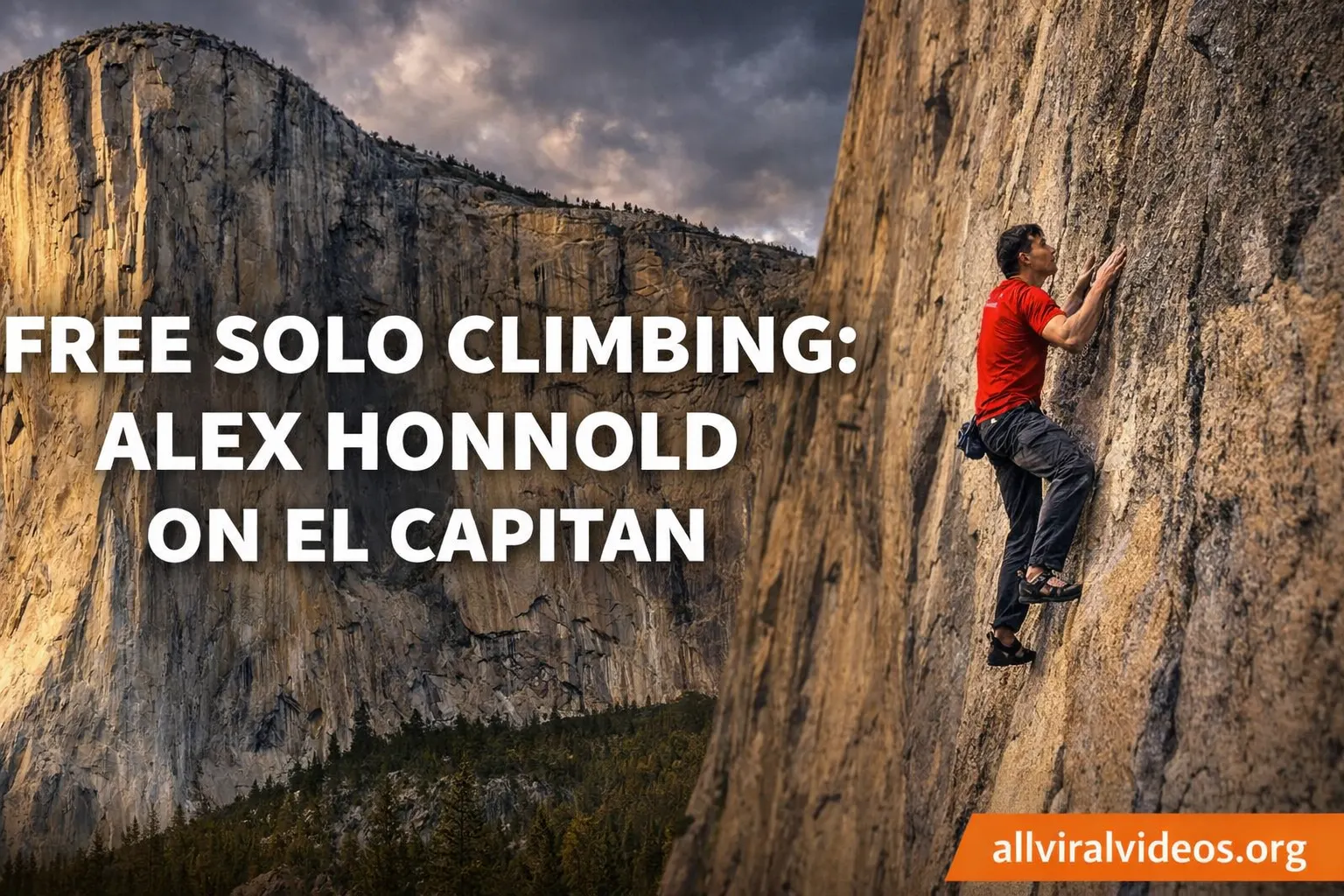
Free solo climbing is one of the most dangerous forms of rock climbing. In this style, a climber ascends a mountain without ropes, harnesses, or safety gear. One small mistake can be fatal. This is why very few people ever attempt it. Alex Honnold became famous for his ability to stay calm and focused while facing extreme risk.
Alex Honnold is known around the world for pushing human limits. He did not rush into this dangerous pursuit. He trained for many years and learned every move with care. His name became global news after he climbed El Capitan in Yosemite National Park without any safety support. This climb shocked climbers and non-climbers alike.
What made this moment special was not only the height, but the control and confidence he showed. His achievement changed how people see modern climbing forever.
What Is Free Solo Climbing?
Free solo climbing means ascending a rock or mountain without any ropes or safety equipment. The climber uses only hands, feet, and skill to move upward. There is no backup support. If a climber slips, there is nothing to stop the fall. This is the essence of this extreme discipline.
This style is extremely dangerous because there is no room for error. Even a small mistake, loose rock, or loss of balance can be deadly. That is why only a few climbers in the world ever attempt such ascents. It requires full focus, strong body control, and years of practice.
Normal climbing is very different. In regular climbing, ropes, harnesses, and safety tools are used. These protect the climber if something goes wrong. Free soloing removes all safety measures, making it the most risky form of rock climbing.ee solo climbing removes all safety, making it the most risky form of rock climbing.
Why Is Alex Honnold Known for Free Solo?
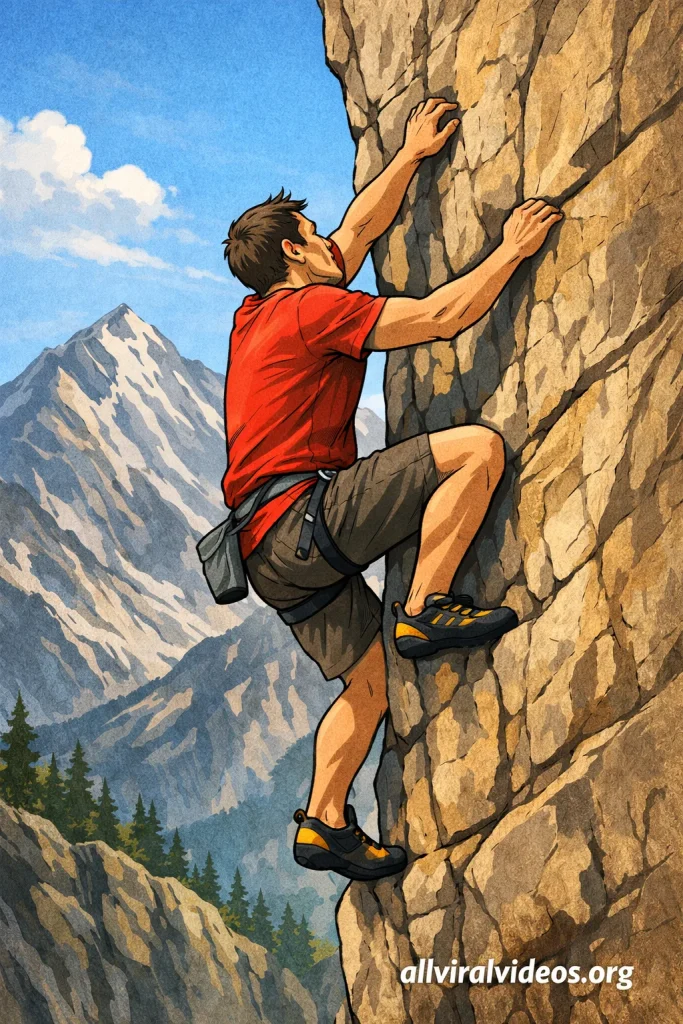
Alex Honnold is known for free solo because of his calm and controlled mindset. While most people feel fear at great heights, he stays relaxed and focused. This mental control helps him make clean and steady moves, even on very high rock walls.
He did not become a free solo climber overnight. Alex spent many years training on ropes first. He practiced the same routes again and again until every move felt natural. He also studied the rock closely and planned each step before climbing. This deep preparation reduced risk as much as possible.
People trust his skill because he never rushes and never climbs without preparation. He only attempts free solo climbs when he feels fully ready. His careful approach and long experience are the main reasons climbers respect him worldwide.
Did Alex Honnold Climb El Capitan Without Ropes?
Yes, Alex Honnold accomplished this feat, and it became one of the most famous moments in sports history. El Capitan is a massive granite wall located in Yosemite National Park in California. It rises thousands of feet straight up, making it one of the hardest climbs in the world.
What shocked people was not just the height of El Capitan, but the fact that Alex climbed it without ropes or safety gear. No one had ever completed this climb in such a way before. Many experts believed it was impossible.
This ropeless ascent stunned climbers, scientists, and the general public. It showed what deep focus, preparation, and mental strength can achieve. After this moment, Alex Honnold became a global symbol of extreme climbing.
Which Route Did He Take on El Capitan?
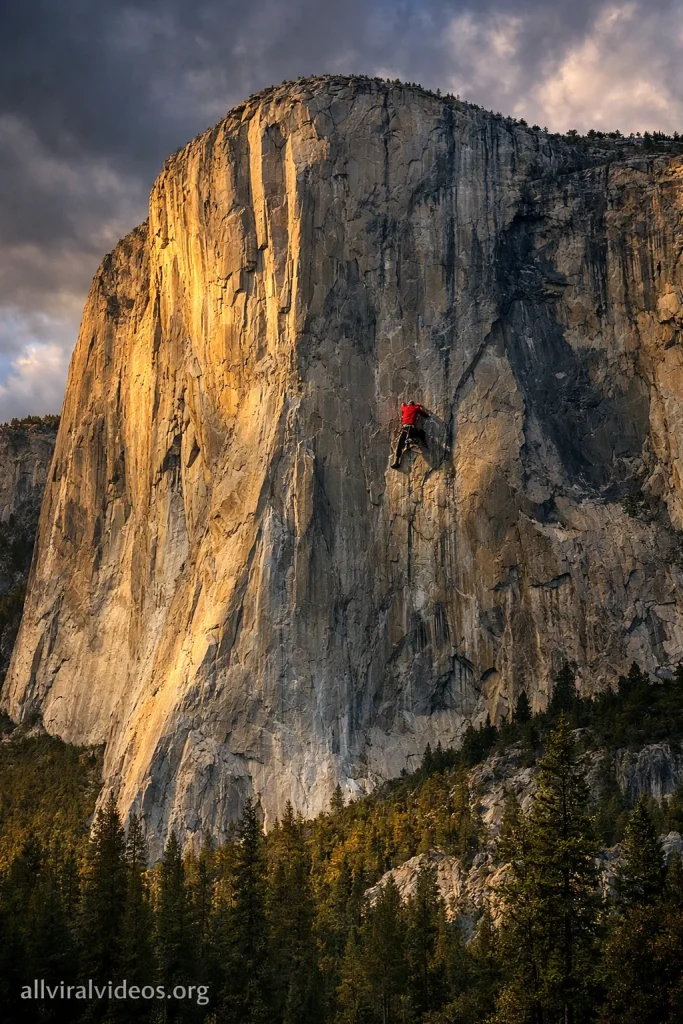
The route Alex chose was called Freerider. This path runs up the face of El Capitan and is one of the most well-known climbing routes on the mountain.
Alex chose Freerider because he knew it very well. He had climbed it many times before using ropes. This helped him remember every hold, crack, and movement. Knowing the route deeply was important because there was no safety support during the ascent.
The Freerider route is still very hard, even for expert climbers. It has steep sections, small handholds, and long vertical walls. In simple words, it is not an easy path. Only highly skilled climbers with years of experience can attempt it safely.
How Long Did the Climb Take?
Alex Honnold completed the ascent in just under four hours. For a wall that is thousands of feet tall, this time was incredibly fast. Most climbers take several days to complete the same route using ropes and safety gear.
Speed mattered because staying longer on the wall increases risk. The longer a climber is exposed, the more tired the body and mind become. By moving smoothly and without stopping, Alex reduced mistakes and kept his focus strong.
The mental and physical pressure was extreme. Every move required full attention. His hands, feet, and mind had to work together without error. Despite the stress, he stayed calm from start to finish, which is why this climb is still seen as one of the greatest achievements in climbing history.
How Old Was Alex Honnold During Free Solo?
Alex Honnold was 33 years old when he completed his free solo climb of El Capitan. At this age, he was not a beginner or a young risk-taker. He was a climber with many years of serious experience behind him.
By the time of this climb, Alex had already spent most of his life climbing rocks around the world. He had practiced free solo climbing on smaller walls and difficult routes long before El Capitan. This long experience helped him understand his limits clearly.
Age mattered for safety because it brought maturity and patience. He knew when to wait and when to climb. Instead of rushing, he chose the right time when his body and mind were fully ready. This careful decision-making played a big role in his success.
Why Does Alex Honnold Choose This Style?
Alex pursues this form of climbing because he truly loves it. For him, climbing is not about fame or danger. It is about moving on rock in the cleanest and simplest way. Climbing without ropes removes tools and complexity, leaving only the climber and the rock.
It is also a personal challenge. Alex enjoys pushing himself to be better and more focused. Each ascent tests his skills, patience, and preparation. He does not climb to impress others. He climbs to reach a deep sense of control and clarity.
Fear control is another key part. Alex feels fear like everyone else, but he manages it through training and planning. He only climbs when he feels calm and ready. This control helps him stay safe and make smart decisions on the wall.
Does Alex Honnold Still Climb Without Ropes?
Alex Honnold’s legendary free solo of El Capitan captured the world’s attention, but many fans wonder: does he still climb without ropes today? The answer is nuanced Honnold’s approach to climbing has evolved over the years.
His Current Approach to Climbing
While Alex remains an active climber, he is much more selective with his ascents today. He still enjoys climbing smaller or less risky routes without ropes, but he carefully evaluates every challenge. Honnold now focuses on combining his passion for climbing with smart planning and preparation, ensuring he can enjoy the sport while reducing unnecessary risk.
Changes After Marriage and Family
Since marrying Sanni McCandless and becoming a father, Alex’s perspective on extreme climbing has shifted. Family responsibilities have influenced him to be more cautious. He openly talks about wanting to be there for his daughter and to live a long, healthy life, which naturally affects his choices regarding high-risk climbs.
Safety Focus Today
Although Honnold is still capable of incredible feats, safety has become a bigger part of his decision-making. He often emphasizes preparation, training, and calculated risk, showing that even the most fearless climbers balance thrill with responsibility. Ropeless climbing is no longer just about pushing limits—it’s about making smart choices while pursuing the sport he loves.
In short: Alex Honnold hasn’t given up climbing, but his priorities have shifted. He still pursues this style of climbing, but with more caution and a greater appreciation for safety, family, and longevity.
How Many Free Solo Climbs Has Alex Honnold Done?
Alex Honnold is known for his extraordinary free solo climbs, but exactly how many has he completed? While the exact number is hard to pin down, his most famous ascents have cemented his place in climbing history.
Famous Free Solo Climbs
Some of Honnold’s most well-known free solo climbs include:
- El Capitan (Yosemite National Park): His 2017 ascent is the most iconic, earning worldwide acclaim.
- Moonlight Buttress (Zion National Park): A highly technical climb showcasing precision and focus.
- Half Dome (Yosemite National Park): Another legendary route demonstrating his skill and endurance.
- Freerider (Yosemite National Park): The specific route he free soloed on El Capitan, emphasizing extreme difficulty.
While he has completed numerous other solo climbs in California and beyond, these are the ones that brought him international recognition.
Difference Between El Capitan and Other Climbs
El Capitan stands apart from Honnold’s other climbs for several reasons:
- Height and Scale: At nearly 3,000 feet, it’s far taller than most other routes he’s climbed solo.
- Technical Difficulty: The combination of sheer verticality, long pitches, and challenging handholds makes it uniquely dangerous.
- Global Impact: While other climbs are impressive, free soloing El Capitan pushed the limits of what the world thought was humanly possible.
In short, while Honnold has free soloed many routes, El Capitan remains the pinnacle of his climbing career, setting a benchmark that few will ever match.
Free Solo Documentary – What Is It About?
The Free Solo documentary Alex Honnold brought the world’s attention to one of the most daring climbs in history. Released in 2018, it captures Alex Honnold’s journey as he prepares for and completes his free solo ascent of El Capitan in Yosemite National Park.
What the Movie Shows?
The documentary goes beyond the climb itself. It offers an intimate look at Honnold’s mindset, preparation, and the extreme mental and physical challenges of free soloing. Viewers get to see:
- The intense training and practice that went into the climb.
- Honnold’s careful planning and risk assessment.
- His personal life, including relationships and how family and friends react to his dangerous passion.
- The sheer thrill and danger of climbing 3,000 feet without ropes or safety gear.
It’s both inspiring and nerve-wracking, giving a rare glimpse into the mind of a climber who pushes human limits.
Why It Became Popular?
“Free Solo” became a global sensation for several reasons:
- Unprecedented Feat: Alex’s climb was a historic moment in mountaineering.
- Cinematic Storytelling: The documentary combines breathtaking cinematography with emotional storytelling.
- Human Interest: Audiences were drawn to Honnold’s calm focus and the personal risks involved.
- Awards and Recognition: The film won the Academy Award for Best Documentary Feature, further boosting its popularity.
Where People Can Watch It
The Free Solo documentary Alex Honnold is available on major streaming platforms. In Pakistan and globally, viewers can find it on:
- Disney+ (depending on local availability)
- Apple TV
- Amazon Prime Video
- Select DVD and Blu-ray retailers
Watching the documentary gives a thrilling and inspiring insight into one of the greatest feats of human endurance and courage.
Did Alex Honnold Die During Free Solo? (Rumors Explained)
Many fans have wondered whether Alex Honnold survived his daring free solo climbs. The short, clear answer is: no, Alex Honnold did not die during Free Solo.
Why Such Rumors Exist?
Rumors about Honnold’s death often circulate because free soloing is extremely dangerous. Climbing without ropes or safety gear naturally makes people fear the worst, especially after seeing high-profile footage or news headlines. Social media, clickbait articles, and viral posts sometimes exaggerate risks, leading to false stories.
Safety Record
Despite the extreme nature of his climbs, Alex Honnold has an impressive safety record. His success is not just about courage it’s about meticulous planning, practice, and understanding every move before stepping on the rock. Honnold studies routes in advance, trains intensively, and respects the limits of both his body and mind, which is why he has managed to free solo some of the world’s most dangerous climbs without fatal accidents.
In short, while free soloing carries real risk, Alex Honnold remains alive and continues to climb his story is one of preparation, skill, and calculated bravery, not tragedy.
Conclusion
Alex Honnold’s Free Solo climb didn’t just make history it changed the world of climbing forever. His fearless ascent of El Capitan showed what humans are capable of when preparation, skill, and focus come together. It inspired climbers worldwide and brought unprecedented attention to the sport of free soloing.
If you want to explore more about Alex Honnold, check out our main Alex Honnold article for a complete overview of his life and career. You can also dive into related stories about his wife, Sanni McCandless and learn more about his net worth to see how climbing fame has impacted his life off the rock.
Alex Honnold’s journey is a story of courage, precision, and dedication a true inspiration for anyone passionate about adventure.
FAQs
Is Alex Honnold still alive?
Yes, Alex Honnold is alive and continues to climb, though he is more cautious since starting a family.
What route did Alex Honnold free solo?
He famously free soloed the Freerider route on El Capitan in Yosemite National Park, along with other climbs like Moonlight Buttress and Half Dome.
How fast did he climb El Capitan?
Honnold completed El Capitan in under 4 hours, an incredible feat considering the route is nearly 3,000 feet tall.
Can normal climbers do free solo?
Free soloing is extremely dangerous and not recommended for most climbers. Only highly experienced climbers with extensive training should attempt it, and even then, risks are very high.